Blockchain Ledger Integrations Modifying Entry Points for Cumulative Jackpots in Mobile Slot and Table Game Systems
Written by Bianca Weber · Nov 4, 2026

Blockchain Ledger Integrations Modifying Entry Points for Cumulative Jackpots in Mobile Slot and Table Game Systems
Operators in wireless reel and card environments continue to integrate cryptocurrency ledger systems that recalibrate access thresholds for accumulative prize mechanisms, and these adjustments reshape how players qualify for progressive rewards across mobile platforms. Data from industry monitoring groups shows that distributed ledger protocols now enforce variable entry criteria based on transaction finality times and wallet verification levels, which in turn affect participation rates in real-time jackpot pools.
Ledger Protocols and Threshold Recalibration
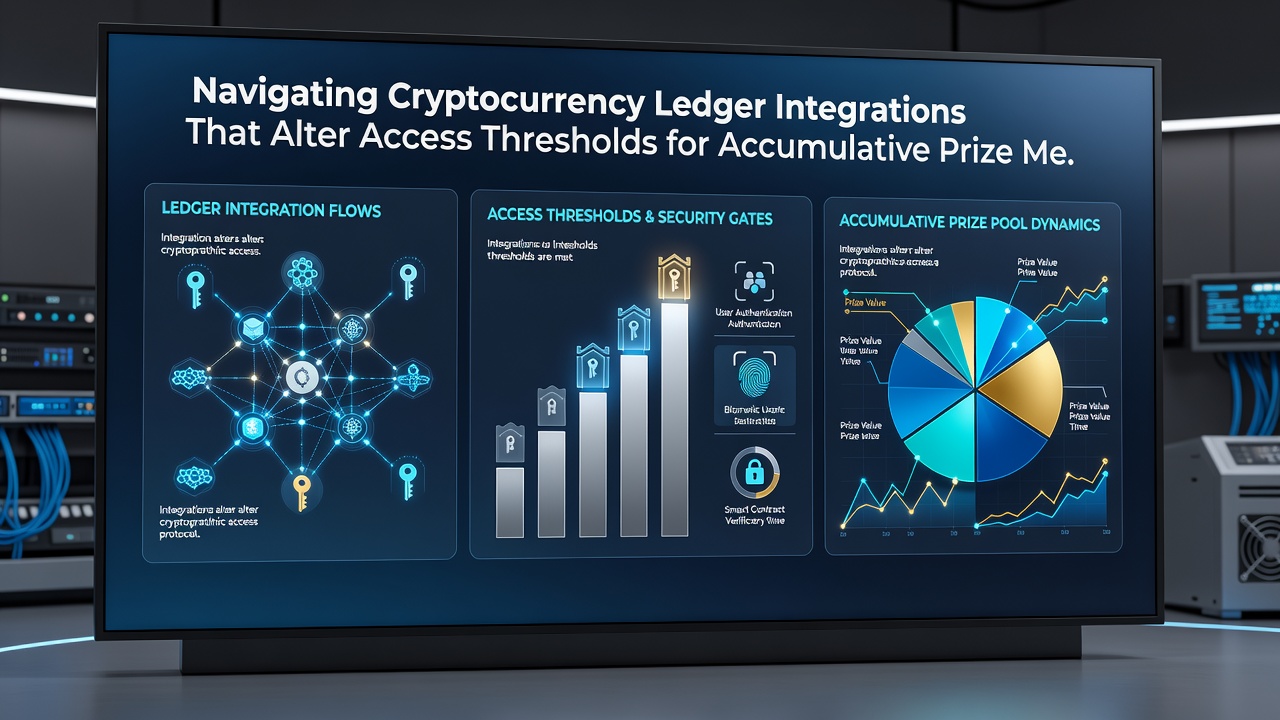
Smart contract frameworks embedded in gaming applications track cumulative contributions through on-chain records, while automated scripts adjust minimum deposit requirements or wager multipliers before a player gains entry to shared prize accumulators. Researchers at academic institutions have documented cases where Bitcoin and Ethereum-based ledgers reduced threshold barriers by 15 to 30 percent when transaction confirmations occurred within predefined time windows, yet the same systems raised those same thresholds during network congestion periods to maintain prize pool stability.
Wireless environments for reel mechanics and card-based sessions rely on these dynamic rules because mobile network latency can delay fund settlements, and ledger integrations compensate by linking access eligibility directly to confirmed balances rather than pending transfers. Observers note that platforms employing multi-signature wallet requirements often extend qualification periods for accumulative prizes until all signatures validate, which alters the pace at which progressive meters advance in both slot and table game modules.
Impact on Wireless Reel and Card Participation
Studies conducted by gaming technology consortia reveal that mobile users encounter altered prize access when cryptocurrency options replace traditional payment rails, since ledger timestamps determine the exact moment a contribution registers toward the accumulator. In November 2026, several regional operators plan to roll out updated ledger APIs that incorporate real-time oracle feeds for price volatility, a change expected to stabilize threshold calculations for accumulative rewards tied to reel spins and card outcomes.
One documented implementation links Ethereum layer-two solutions to mobile card environments so that players complete qualification after two confirmations instead of the previous six, and this modification has coincided with measurable increases in progressive pool contributions during peak evening hours. Reel-based applications, by contrast, tie access thresholds to cumulative spin volumes recorded on the ledger, which means short bursts of activity may not register until the next block finalizes and the system recalculates eligibility.
Regulatory and Technical Considerations Across Regions
Authorities in multiple jurisdictions require operators to maintain transparent audit trails of ledger transactions that influence prize thresholds, and compliance frameworks now reference standards from organizations such as the Gaming Regulatory Authority of Singapore alongside reports issued by the National Council on Problem Gambling in the United States. These guidelines emphasize that any alteration to access thresholds must remain verifiable through immutable ledger entries so that disputes over qualification timing can be resolved without ambiguity.
Technical teams integrate zero-knowledge proofs to verify wallet holdings without exposing full transaction histories, a practice that preserves player privacy while still allowing systems to enforce accumulative prize rules. Data from European research consortia indicates that such privacy-preserving methods have reduced average qualification times by nearly 40 percent in controlled trials involving both reel and card environments on wireless networks.
Future Adjustments and Platform Adaptations
Platform developers continue to test hybrid ledger models that combine public chains with permissioned sidechains, and these experiments aim to balance speed with security when recalculating thresholds for mobile users. In practice, sidechain confirmations allow reel games to credit contributions faster during high-volume periods, whereas card environments benefit from the same architecture by maintaining consistent eligibility windows across different device types.
Operators monitor network difficulty metrics and gas fee fluctuations because rapid changes in these variables can trigger automatic threshold updates that either expand or restrict access to accumulative prize pools. Figures released by industry analytics firms show that platforms adopting predictive adjustment algorithms experienced fewer interruptions in progressive meter growth compared with those relying on static rules.
Conclusion
Integration of cryptocurrency ledgers into wireless reel and card systems continues to modify how accumulative prize mechanisms determine player eligibility through evolving access thresholds. Technical refinements, regulatory oversight from varied international bodies, and ongoing platform adaptations together shape the operational landscape for these mobile gaming features as of late 2026.